
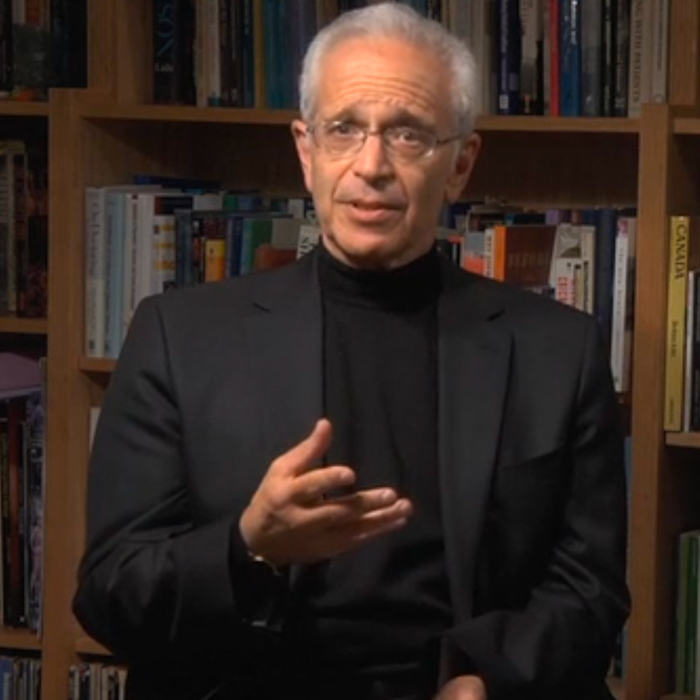
Steven Cole, MD, MA
Dr. Cole is Professor of Psychiatry, Emeritus at Stony Brook University School of Medicine, and Clinical Professor of Scientific Education and Psychiatry at Zucker School of Medicine at Hofstra/Northwell. Trained at Harvard, Duke University, and the University of North Carolina at Chapel Hill, Dr. Cole is Board Certified in Adult Psychiatry and has attained Added Qualifications in both Geriatric Psychiatry and Consultation-Liaison Psychiatry. He has received grants and contracts from the Jonathan D. and Catherine T. MacArthur Foundation, the National Institute of Mental Health (NIMH), the Robert Wood Johnson Foundation, and many others, mostly related to depression in primary care or in the medically ill. With Richard Frankel, PhD and Kelley Skeff, MD, PhD, he is completing the fourth edition of his premier textbook on medical communication, The Medical Interview: The Three-Function Approach to Relationship-Centered Care 4th Edition, Elsevier, in press, 2023. Dr. Cole is a member of MINT, the Motivational Interviewing Network of Trainers, and helps coordinate MI-MED, a loosely organized non-exclusive interest group of MINT members and others focusing on integration of Motivational Interviewing (MI), with excellence, into standard healthcare training, practice, and related research.
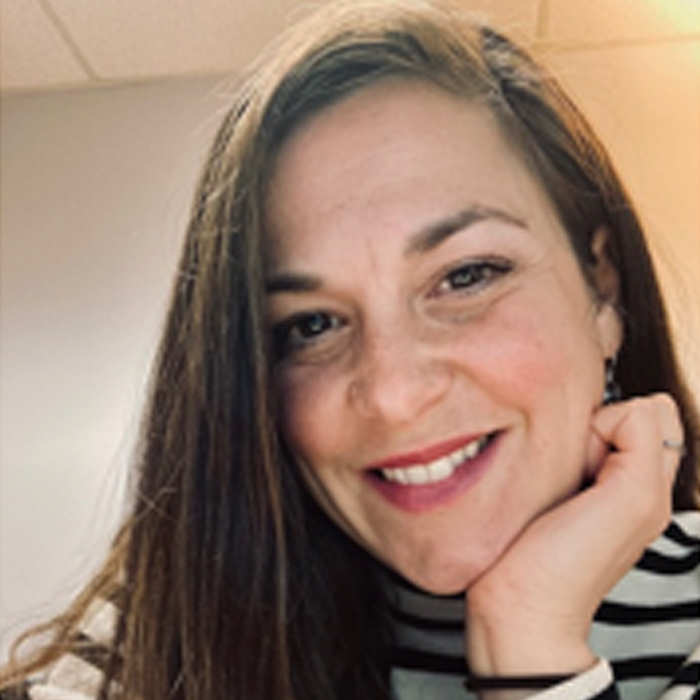
Deirda Frum-Vassallo, PsyD
Dr. Frum-Vassallo, received her doctorate degree in Clinical Psychology with a concentration in Health Psychology from LaSalle University in 2011. She completed her clinical internship at VA Hudson Valley Health Care System and her Postdoctoral Fellowship in Primary Care Mental Health at the Manhattan VA. She worked in Primary Care Mental Health at the Northport VA Medical Center (VAMC) for almost a decade. Currently, Dr. Frum-Vassallo is the Health Behavior Coordinator (HBC) for the Northport VAMC, as part of the VHA Health Promotion/Disease Prevention (HPDP) Program to facilitate transformation of health care delivery to support patient centered care and to increase self-management of health behavior. She is also the Director of Postdoctoral Training at the Northport VAMC and a member of the Motivational Interviewing Network of Trainers (MINT).
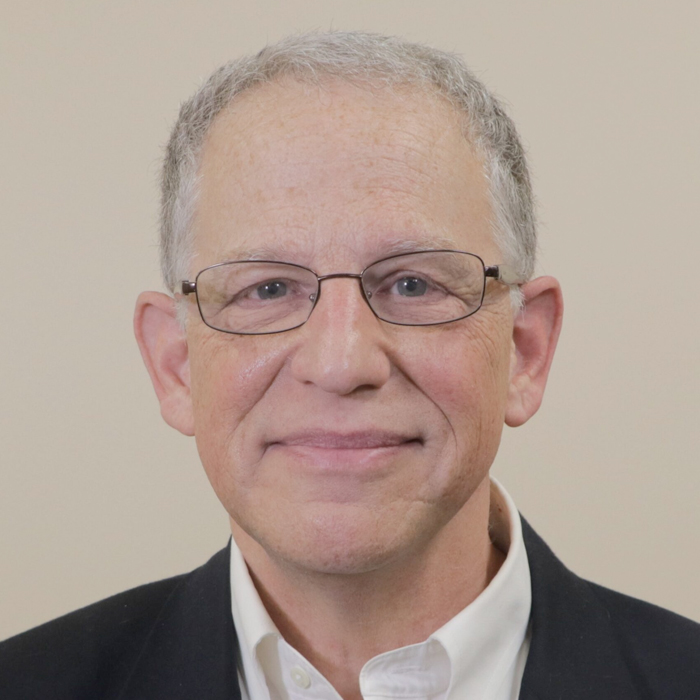
Roy Stein, MD
Dr. Stein is Clinical Professor of Psychiatry in the UNC School of Medicine and Associate Professor Emeritus at Duke. He completed medical school at Duke, medical internship at Dartmouth-Hitchcock Medical Center in New Hampshire, and psychiatry residency at Duke. He is board-certified in general and addiction psychiatry, and a member of MINT. He served for 10 years as a consultant in VA’S national MI/MET training initiative.

Kathryn Hartlieb, PhD, RDN
Dr. Hartlieb is a health behavior change specialist and educator. She holds a doctorate in Nutrition and Food Science and is a registered dietitian nutritionist. As a member of the Motivational Interviewing Network of Trainers (MINT) since 2009, Katie loves compassionately exploring behavior change with clients, learners, and organization.
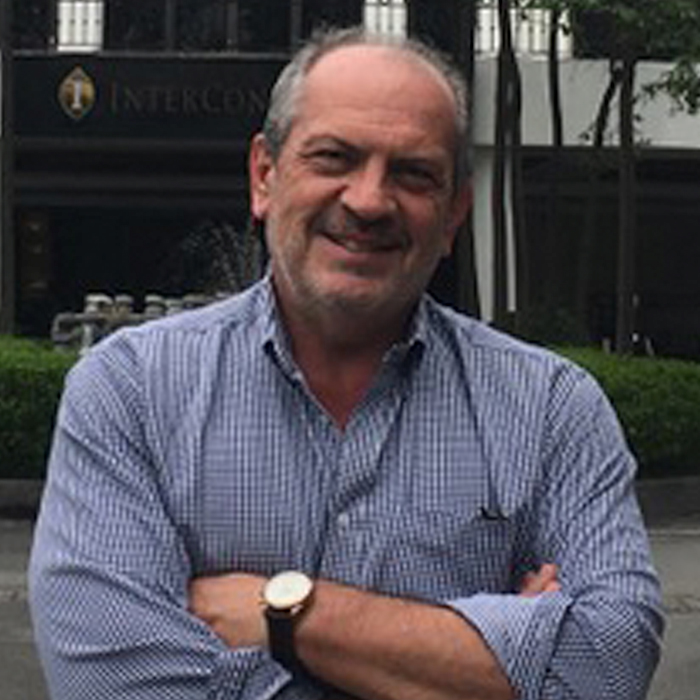
Igor Koutsenok, MD
Dr. Koutsenok is Professor of Psychiatry at the University of California San Diego, Director of the UCSD Center for Criminality and Addiction Research, Training and Application, and Director of the International Addiction Technology Transfer Center-Ukraine. He is also a Vice-President of the International Consortium of Universities on Drug Demand Reduction. He served as Director of the International Addiction Technology Transfer Center – Ukraine and Co-Director of the similar center in South-East Asia. Dr. Koutsenok is a member of MINT.

Yuri T. Jadotte, MD, PhD, MPH
Dr. Jadotte is Assistant Professor and Associate Program Director of the Preventive Medicine residency at Stony Brook University (SBU). Board certified in General Preventive Medicine and Public Health, he also serves as Associate Professor and Assistant Director of the Northeast Institute for Evidence Synthesis and Translation at Rutgers University. Dually trained as a physician and social scientist, Dr. Jadotte actively conducts research addressing health equity for disadvantaged populations, with a focus on interprofessional collaboration, cancer prevention and control, and systematic review and meta-analysis.